The importance of fabric density in fire resistance

Fabric density plays a crucial role in the performance and fire behaviour of flame-retardant textiles used in public and contract environments. While fibre composition and chemical treatments are key, density directly affects how fabrics respond to heat, flame exposure and smoke development.
This article explains why density matters, how it affects fire-resistant performance and how to optimise it for each application within hospitality, commercial and event spaces.
Why fabric density matters for fire safety?
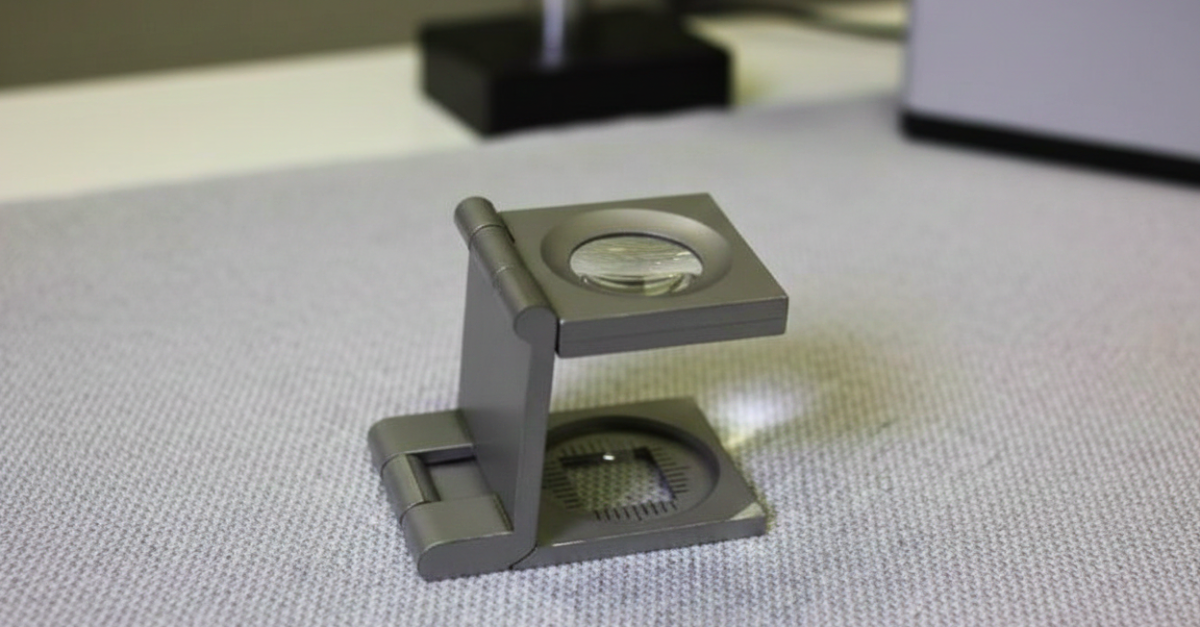
Fabric density refers to the quantity of material per unit area measured in grams per square metre (g/m²). A higher density structure provides less space for oxygen to circulate and feed the flame. This helps to restrict ignition, reduce flame spread rate and improve thermal insulation.
High density fabrics improve:
- Fire protection and structural stability.
- Durability in intensive use.
- Comfort in environments with high occupancy.
Low density fabrics:
- Ignite more easily if not engineered correctly.
- Can promote faster vertical flame spread.
- Require strict testing and compliance in public installations.
Learn more about how Dabedan ensures textile quality and performance in fire-resistant materials.
How fabric density affects fire-resistant fabric performance?
Two main principles define how density influences fire behaviour:
Barrier to flame spread
A compact structure limits flame progression and delays material degradation.
Control of heat transfer
High density fabrics improve insulation and reduce heat transmission, an essential factor in evacuation zones or upholstery installed near heat sources.
The relationship between density and heat transfer
Fire resistant fabrics must not only avoid burning but also prevent temperature rise behind the material. Denser constructions minimise:
- Thermal conductivity.
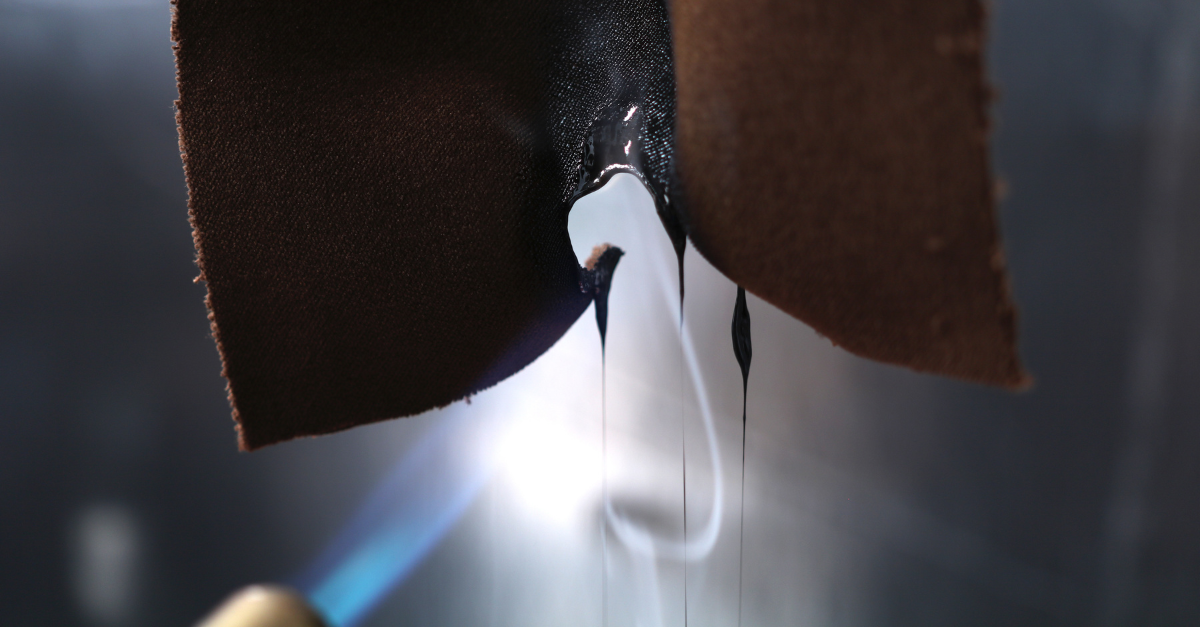
- Melting or dripping in synthetic systems.
- Toxic smoke emissions in FR polyester formulations.
The right balance ensures safe performance without compromising aesthetics.
Testing methods to evaluate fire-resistant fabric materials
Fire resistant performance is validated through standards including:
- EN 13501-1 for construction products such as curtains and wall coverings.
- BS 5852 Crib 5 and EN 1021 for upholstery.
- EN ISO 1716 and EN ISO 11925-2 for reaction to heat exposure.
These tests assess flame spread behaviour, smoke intensity and after-glow, among other critical safety indicators.
Common challenges related to fabric density
Achieving the ideal density depends on the final application and must consider both design and regulatory constraints.
Density too low: reduced fire resistance
- Perforation under heat.
- Dripping risk in synthetic structures.
- Rapid flame propagation.
Density too high: decreased comfort or flexibility
- Limited drape for decorative curtains.
- Lower acoustic absorption in some cases.
- Heavier installations affecting mounting systems.
Corrective actions for suboptimal density
Manufacturers can:
- Modify weave structure to enhance compactness.
- Introduce multifilament yarns.
- Use inherently flame retardant fibres.
- Apply functional coatings when appropriate.
Optimizing fabric density for performance and safety
Balancing protection with flexibility and comfort
High performing flame retardant fabrics achieve:
- Strong structural protection where it is most needed.
- A pleasant surface touch and high-quality drape for design-led projects.
This is essential in hospitality interior design, where both safety and elegance are mandatory.
Comparing high-density vs. low-density fire-resistant fabrics
Recommended density ranges for clothing, upholstery, and industrial fabrics
Values depend on fibre type and regulatory requirements of each country.
Dabedan fabrics designed for optimal fabric density
At Dabedan we engineer textile structures where density ensures:
- Certified flame resistance.
- Long-term durability in high occupancy spaces.
- Acoustic and thermal comfort.
- A refined and elegant appearance.
Key examples:
- FR velvets for premium hospitality interiors.
- Blackout and dimout fabrics for lighting control.
- Upholstery textiles for wear resistance in intensive seating areas
Discover our catalogue of flame-retardant fabrics.
Follow us:

Subscribe to our newsletter
Receive all communications in your email to stay up to date with our news, as well as news and advice about the sector.
Latest published articles


Do you need advice?
We collaborate with you to develop custom designs tailored to the needs of each project, creating the fabric according to aesthetic, quality, or usage requirements.
Get in touch with us, and we will advise you on our products, or request a free sample.
