Soundproof cloth material for acoustic insulation
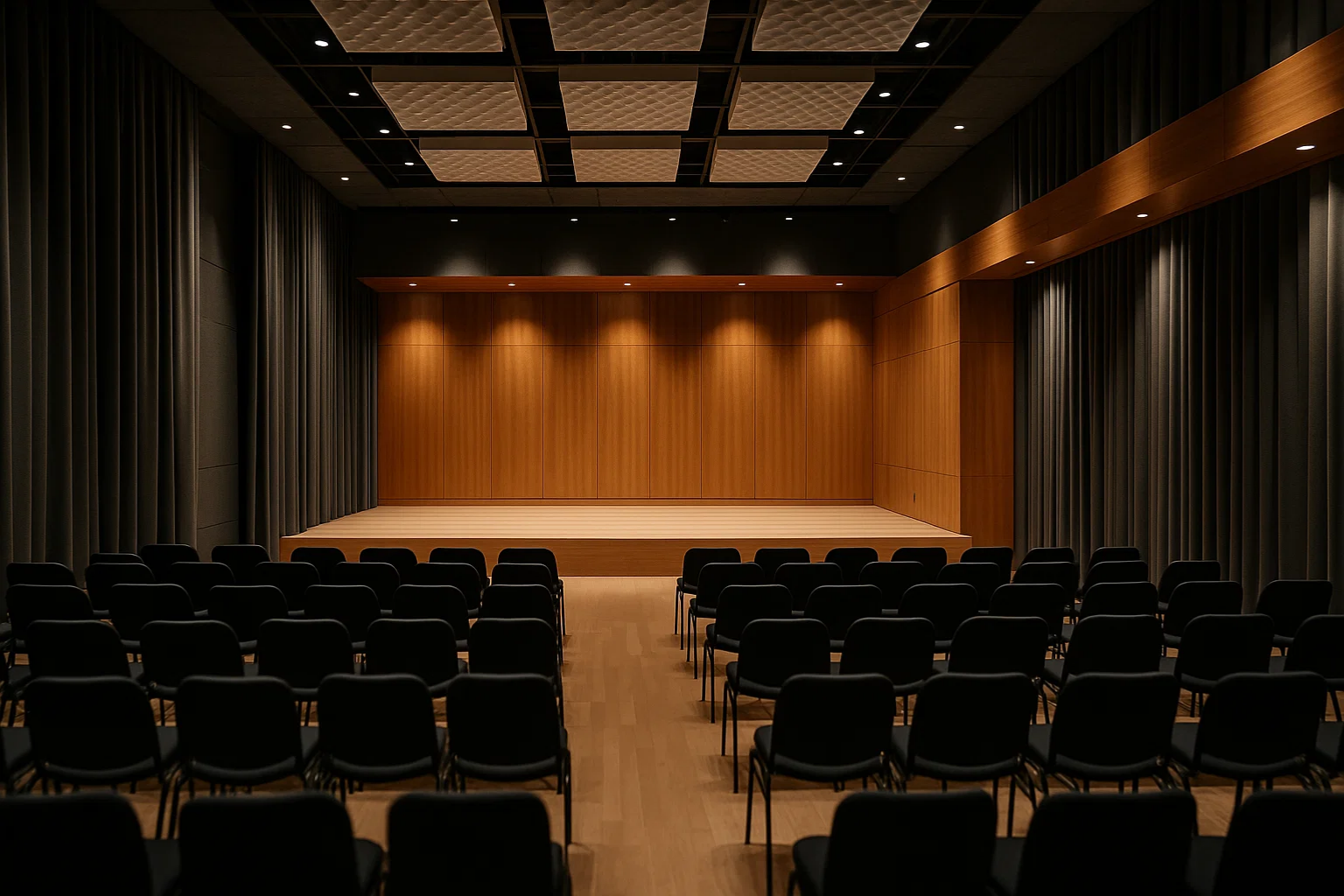
In today’s interior design for public and commercial spaces, controlling sound is just as important as managing lighting, temperature, or aesthetics. From hotel lobbies to conference centres and open-plan offices, acoustic comfort plays a crucial role in the overall experience. Soundproof cloth materials offer a versatile and visually appealing way to enhance acoustic insulation while preserving design intent.
This article explores how these fabrics work, why they are essential for effective soundproofing, and how to choose and evaluate the best materials for your specific space.
Why is it crucial for effective soundproofing?
Noise pollution is more than a distraction. In the wrong environment, it can negatively impact wellbeing, productivity, and communication. In the contract and hospitality sectors, poor acoustic conditions can result in guest dissatisfaction or a drop in workplace efficiency. That’s why incorporating acoustic insulation solutions is no longer optional, but part of a responsible design strategy.
By reducing noise transmission and echo, sound-insulating materials allow architects and designers to create environments that feel calm, focused and functional. Whether in a boutique hotel or a multi-use auditorium, properly planned acoustic insulation helps meet building regulations, enhances privacy, and ensures spaces are used to their full potential.
Benefits of acoustic insulation for noise reduction
Effective acoustic insulation reduces unwanted sound by absorbing or blocking it. This leads to clearer speech, reduced reverberation, and a noticeable drop in overall noise levels. In restaurants, for example, it can transform a chaotic dining room into a more relaxed, conversational atmosphere. In offices, it boosts concentration and prevents sound from travelling between meeting rooms.
Improved sound control also contributes to health. High ambient noise has been linked to increased stress and fatigue. By reducing noise exposure, especially in high-traffic areas, soundproof cloth contributes to both physical and mental wellbeing for staff and visitors alike.
Best acoustic insulation materials for soundproofing applications
The best acoustic insulation material depends on whether the goal is to absorb sound within a room or to prevent it from travelling between rooms.
For sound absorption, materials like mineral wool, acoustic foam or polyester fibre panels are commonly used. These are typically installed behind acoustically transparent fabric in wall panels or ceiling baffles. Their porous structure traps sound energy, converting it into a small amount of heat and reducing echo.
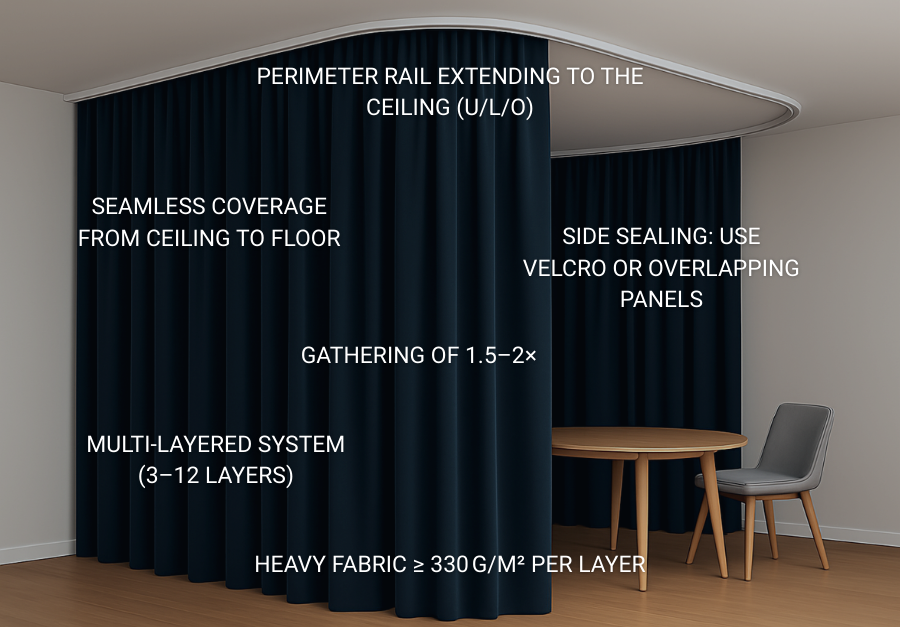
For soundproofing, heavier, denser materials are required. This includes multilayered acoustic curtains, composite barriers with mass-loaded vinyl, or technical fabrics backed with sound-blocking membranes. These are ideal for meeting rooms, partitions, or multipurpose halls where flexible noise control is needed.
Some materials offer dual functionality, combining a decorative textile face with an internal sound-absorbing or sound-blocking layer. These hybrid products are increasingly popular in hospitality and commercial interiors.
How soundproof cloth materials work for acoustic insulation?
Soundproof fabrics can function in two main ways: by allowing sound to pass through to an absorber behind them, or by acting as a sound barrier themselves.
When used with an absorptive core, fabrics must be acoustically transparent. This means the material allows sound waves to reach the underlying absorber (usually foam or fibreboard) rather than reflecting them. These fabrics are common in panel systems and offer the flexibility to integrate branding, colour schemes or artwork into the acoustic treatment.
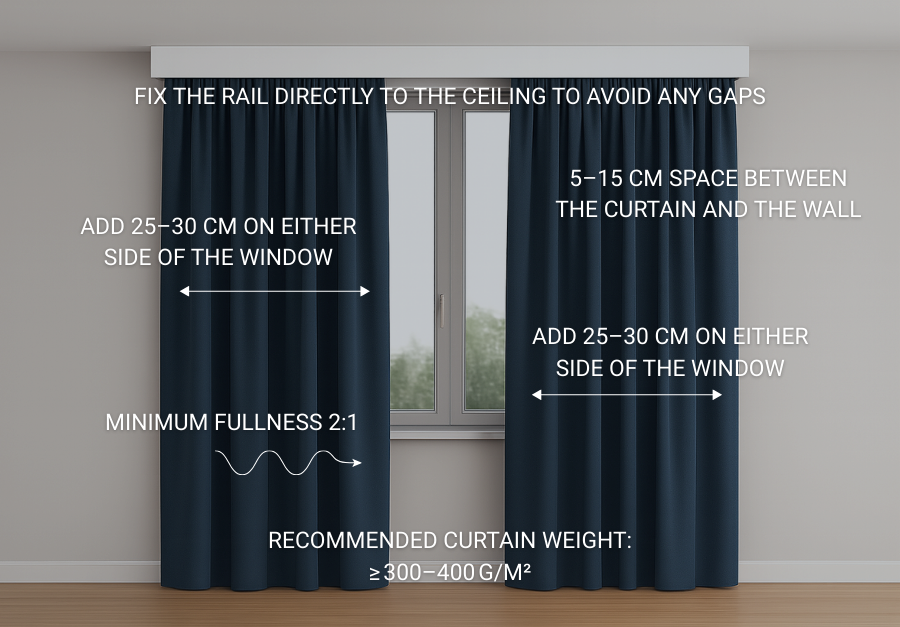
When blocking sound is the objective, fabrics must provide mass and density. Soundproof curtains, for instance, use heavy textiles to dampen and reflect sound waves. These are effective for dividing spaces or reducing sound transmission through windows or glass partitions. While they won’t eliminate all noise, they can provide meaningful sound reduction (often between 5–10 decibels), which significantly improves perceived comfort.
How to choose sound-insulating fabric
Choosing the right sound-insulating fabric requires balancing technical performance with practical and aesthetic considerations.
Discover different fabric types and their materials
There are two main types:
- Acoustically transparent fabrics: Lightweight and breathable, ideal for covering absorptive panels without affecting their performance.
- Soundproofing fabrics: Denser, heavier materials designed to reduce transmission. These may include felt, velvets, or layered composites.
Today’s fabrics combine performance with style. Acoustic textiles are available in a wide range of textures, colours and finishes to match any interior scheme, from minimalist offices to luxurious hotels.
Evaluate the durability and practicality
In contract environments, fabrics must be durable and easy to maintain. Choose textiles that:
- Are resistant to pilling, stretching, or fading
- Have clear care instructions (machine washable, dry cleanable, etc.)
- Meet flame-retardant regulations (e.g. BS 5867, EN 13501)
Some acoustic fabrics also offer antibacterial or stain-resistant properties, which are especially useful in hospitality or healthcare spaces.
Take into account the area and the use it will be put to
Not all spaces need the same treatment. Consider:
- Size and surface type: Larger rooms with hard surfaces need more acoustic coverage.
- Function: A theatre may require movable sound-insulating curtains; a restaurant might benefit from fixed acoustic wall panels.
- Flexibility: In multipurpose venues, opt for retractable or modular solutions.
It’s important to strike a balance between sound performance and design integration. In hotels, for example, an acoustic curtain can also serve as blackout shading, while in a concert hall, textiles must support the acoustics of live performance.
How to test the effectiveness of soundproof cloth materials for noise reduction
To ensure performance, check whether the fabric or system has been tested according to standardised methods:
- NRC (Noise Reduction Coefficient): Measures how much sound a material absorbs. A rating of 0.80 means it absorbs 80% of incident sound.
- STC (Sound Transmission Class): Rates how well a material blocks sound. The higher the number, the better the isolation.
These ratings are typically provided by manufacturers. However, real-world performance also depends on installation and context.
In practice, simple tests can be useful: measuring reverberation with a sound level app before and after installation, or doing a clap test to detect echo differences. For precision, an acoustic consultant can perform RT60 measurements or frequency response analysis. But in most cases, measurable drops in decibels, even just 5 to 10 dB, represent a significant improvement in acoustic comfort.
Conclusion
Soundproof cloth materials are a smart solution for modern acoustic challenges in public and commercial spaces. Whether used to absorb echo in a hotel lounge or to block noise in a meeting room, they offer a balance of technical efficiency and visual harmony. At Dabedan, we combine safety, performance and design in our fabric collections, so you don’t have to choose between aesthetics and acoustic comfort.
🎁 Want this practical guide in PDF?
Download it for free and share it with your team.
Learn how to improve acoustics on windows or divide spaces with technical curtains, step by step.
The guide will open in a new tab after submitting the form.
Follow us:

Subscribe to our newsletter
Receive all communications in your email to stay up to date with our news, as well as news and advice about the sector.
Latest published articles


Do you need advice?
We collaborate with you to develop custom designs tailored to the needs of each project, creating the fabric according to aesthetic, quality, or usage requirements.
Get in touch with us, and we will advise you on our products, or request a free sample.
