Maintenance advice for fire retardant material fabric

Flame retardant fabrics play a crucial role in enhancing safety across public spaces, hotels, hospitals, and other high-risk environments. However, improper maintenance can compromise their effectiveness. In this guide, we’ll explore best practices for preserving flame retardant textiles to ensure they meet fire safety standards for years to come.
Why is proper maintenance important for flame retardant fabrics?
Flame retardant materials undergo specialised treatments to comply with fire safety regulations. Over time, dirt, oils, and incorrect cleaning methods can degrade these treatments, reducing the fabric’s ability to resist flames. Regular, careful maintenance helps sustain their protective qualities and extends their lifespan.
At Dabedan, our fabrics are inherently flame retardant, meaning their fire-resistant properties are woven into the fibres rather than applied as a surface treatment. This ensures durable protection, even after repeated washing, without the need for chemical re-treatment.
How to wash and clean flame retardant fabrics without losing protection
How often should you wash flame retardant fabric?
The frequency of washing depends on the level of use and exposure to contaminants. In general:
- Heavy-use environments (e.g., hospitals, hotels) may require washing every few weeks.
- Low-use settings can follow manufacturer guidelines, typically recommending cleaning every few months.
Tips and general recommendations
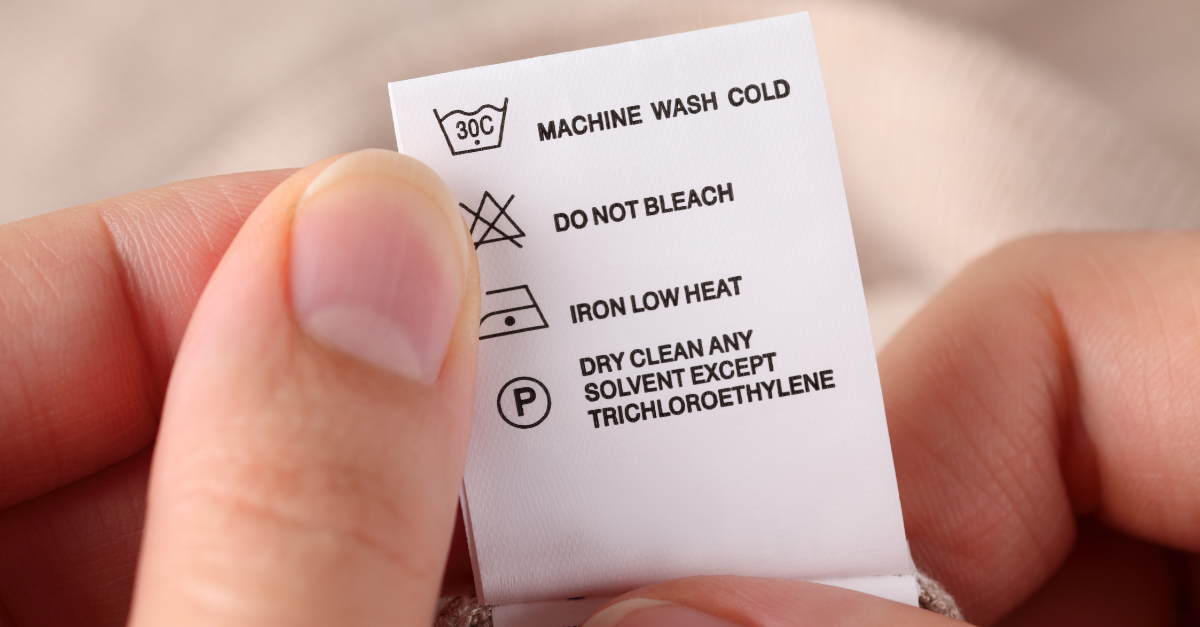
- Check the manufacturer’s label: Always follow the specific washing instructions provided by the manufacturer.
- Use mild detergents: Avoid harsh chemicals and bleach, as they can strip the fire retardant coating.
- Wash at low temperatures: High temperatures can weaken the protective treatment.
- Avoid fabric softeners: These can leave residues that reduce flame resistance.
- Opt for dry cleaning when recommended: Some fabrics require professional cleaning to maintain their properties.
- Ensure proper drying: Excessive heat from tumble drying can affect the fabric’s fire-retardant properties. Air drying is often the best option.
Can flame retardant fabric lose its properties over time?
Yes, flame retardant fabrics can lose their effectiveness due to:
- Frequent washing with incorrect products.
- Exposure to high heat or UV rays.
- Build-up of grease and dirt.
- General wear and ageing.
Factors that affect the durability of flame resistant textiles
- Fabric type: Inherently flame-resistant fabrics maintain protection longer than treated fabrics.
- Cleaning methods: Improper washing techniques can accelerate wear.
- Environmental conditions: Prolonged exposure to UV rays or humidity may degrade performance.
- Mechanical stress: Constant handling, movement, and stretching of the fabric can lead to wear over time.
How to test if your fire retardant material is still effective
If you suspect that the fabric may have lost its properties, consider:
- Checking for certifications: Some manufacturers provide re-certification services.
- Performing a small burn test (only in a controlled setting and according to safety guidelines).
- Monitoring for visible signs of wear: Thinning fabric or loss of structure may indicate reduced effectiveness.
- Consulting the manufacturer: Dabedan offers expert guidance on the longevity and effectiveness of our fabrics.
Signs that your fabric needs re-treatment or replacement
- Discolouration or fading.
- Loss of stiffness or weakened texture.
- Increased flammability when tested.
- Manufacturer’s recommended lifespan reached.
- Frequent need for repairs: If the fabric consistently requires maintenance, it may be time to replace it.
Best practices for storing and handling flame retardant fabrics
- Store in a cool, dry place: Humidity can weaken the material.
- Keep away from direct sunlight: UV exposure can degrade flame retardant coatings.
- Avoid contaminants: Oils and dust can reduce fire resistance.
- Inspect regularly: Periodically check for any damage or deterioration.
- Handle with care: Minimise unnecessary friction or excessive folding to preserve the integrity of the fabric.
Why choose Dabedan Flame Retardant Fabrics?
At Dabedan, we combine safety, durability, and aesthetics in our inherently flame-retardant fabrics. Our textiles are designed for high-traffic environments such as hotels, auditoriums, hospitals, and government buildings. With a commitment to quality and fire safety, our fabrics not only meet but exceed industry standards, ensuring long-lasting performance.
By following these maintenance guidelines, you can ensure that your flame retardant fabrics continue to offer optimal protection and comply with fire safety standards for years to come. Dabedan’s commitment to high-quality, inherently flame-retardant textiles makes them the ideal choice for interior decoration in public spaces where safety and durability are paramount.
Follow us:

Subscribe to our newsletter
Receive all communications in your email to stay up to date with our news, as well as news and advice about the sector.
Latest published articles


Do you need advice?
We collaborate with you to develop custom designs tailored to the needs of each project, creating the fabric according to aesthetic, quality, or usage requirements.
Get in touch with us, and we will advise you on our products, or request a free sample.
