Home / News / How to select the right flame-retardant hospitality fabrics for hotels and restaurants
How to select the right flame-retardant hospitality fabrics for hotels and restaurants

Creating safe, comfortable, and visually appealing interiors is one of the greatest challenges in the hospitality industry. Beyond colour palettes and textures, one crucial aspect must never be overlooked: fire safety.
Selecting the right flame-retardant fabrics is essential to protect guests, staff, and property while maintaining the elegant and welcoming atmosphere that defines every hotel or restaurant.
In this guide, we explore how to identify the best materials for hospitality projects, which certifications matter, and how Dabedan’s fireproof textiles meet the highest standards of safety, hygiene, and durability.
Why flame-retardant fabrics are important in hospitality
Hotels and restaurants are dynamic environments that combine high occupancy, continuous activity, and multiple ignition sources such as kitchens, lighting systems, and electronic devices. All these factors increase fire risk.
Flame-retardant fabrics act as a protective barrier, preventing flames from spreading and significantly reducing smoke emissions. Their role goes beyond legal compliance: they are a key element of brand responsibility and operational continuity.
Protecting staff, customers, and premises
The primary function of flame-retardant fabrics is to protect people and property. In case of fire, these materials help contain the flames, limit the release of toxic gases, and slow down heat transmission. This buys precious time for evacuation and fire control.
By integrating certified fireproof textiles into upholstery, curtains, and wall coverings, hotels and restaurants minimise the risk of rapid flame propagation and ensure a safer environment for both guests and staff.
Legal and safety obligations in the UK (Fire Safety Act 2021, RRFSO 2005)
In the United Kingdom, fire safety in commercial premises is regulated by the Fire Safety Act 2021 and the Regulatory Reform (Fire Safety) Order 2005.
These regulations require that every hospitality business carry out a fire risk assessment and ensure that interior finishes and furnishings comply with recognised safety standards.
All flame-retardant fabrics used in hospitality spaces must be tested according to:
- BS 5867 Part 2 (Types B or C) for curtains and draperies.
- BS 5852 (Crib 5) for upholstery fabrics.
- EN 13501-1 for classification of reaction to fire.
Compliance is not optional. It is a legal duty that directly affects insurance validity and guest safety.
Minimising financial losses
A single fire incident can result in devastating financial consequences, from structural damage to temporary closure and costly renovations. Investing in certified flame-retardant fabrics reduces those risks.
Moreover, fabrics with intrinsic fireproof properties maintain their performance over time, avoiding the need for chemical re-treatment or replacement. This translates into long-term cost efficiency.
Maintaining brand reputation and guest trust
In the hospitality industry, trust is everything. A fire-related incident can damage a brand’s reputation irreparably. Guests expect safety as part of their experience, and compliance with fire standards is often an unspoken but decisive criterion.
Using visible, certified materials sends a clear message: your establishment values quality, security, and professionalism. It strengthens guest confidence and supports brand positioning in the competitive hospitality market.
| Hospitality application | Standard | Country / Scope | What does it ensure? |
|---|---|---|---|
| Curtains and draperies | BS 5867 Part 2 (Type B or C) | United Kingdom | Flame spread control and self-extinguishing performance. |
| Upholstery (chairs, sofas, headboards) | BS 5852 (Crib 5) | United Kingdom | Resistance to ignition sources similar to cigarette and open flame. |
| Reaction to fire of materials and wallcoverings | EN 13501-1 | Europe | Fire classification for public buildings and commercial spaces. |
| Lightweight fabrics such as sheers | EN 13773 | Europe | Flame performance of textiles for public areas. |
| Upholstery (foam + fabric) | EN 1021-1 / EN 1021-2 | Europe | Self-extinguishing behaviour when exposed to cigarette and flame ignition. |
| Blackout / Dimout curtains | BS 5867 Type C | United Kingdom | Highest fire safety level for curtains in accommodation spaces. |
Fire risks in hotels and restaurants
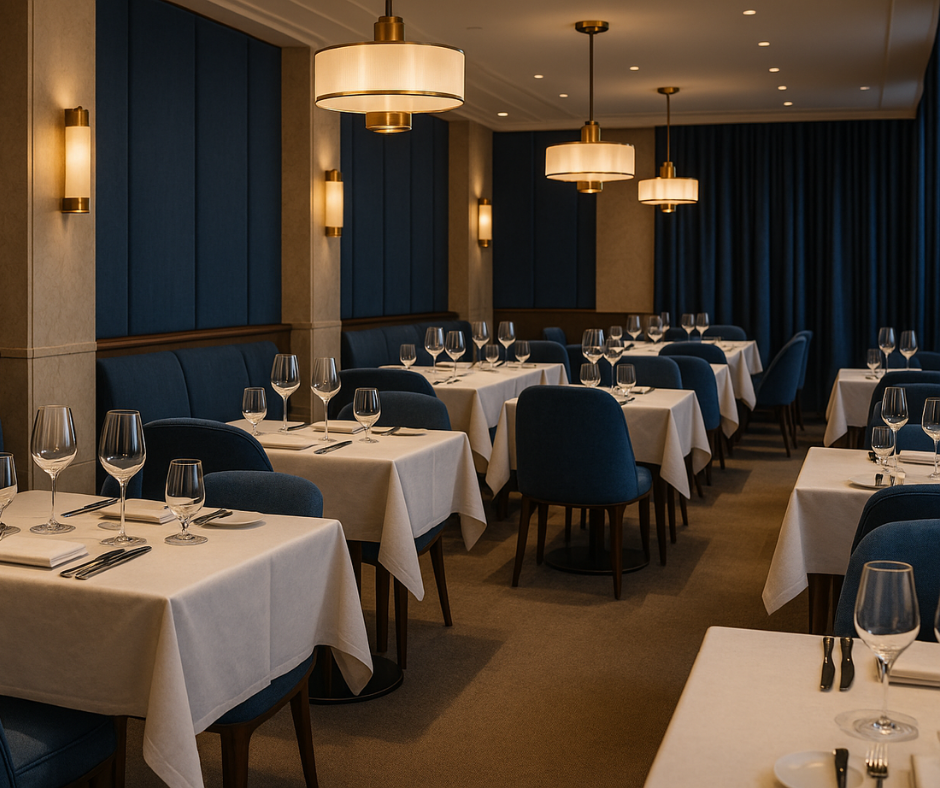
Understanding where and how fire can start is the first step in prevention. Every area within a hotel or restaurant presents different levels of risk depending on its function and materials used.
Kitchens and cooking areas
The kitchen is the most obvious fire hazard. Open flames, high temperatures, and oils create conditions where ignition is always possible.
Using fire-retardant curtains, blinds, and partitions in or near these zones helps isolate potential flames and prevent them from spreading to public or dining areas.
Upholstered furniture and curtains
Soft furnishings such as sofas, chairs, and draperies contribute significantly to the fire load of an interior. Non-treated fabrics can ignite quickly, producing dense smoke and toxic gases.
Using BS 5852 (Crib 5) compliant upholstery and BS 5867 tested curtains ensures that the materials self-extinguish when exposed to a flame and do not continue burning once the source is removed.
Decorative textiles and linens
Tablecloths, wall panels, and decorative fabrics also need attention. Even small details can contribute to flame spread if not properly selected. Choosing intrinsically flame-retardant textiles ensures consistent performance without relying on surface treatments that can fade or wash away.
Electrical equipment and wiring
Lighting systems, televisions, and hidden electrical cables can produce heat or sparks. Pairing these elements with fireproof wall coverings and acoustic fabrics reduces the risk of ignition in guest rooms, conference areas, and restaurants.
Essential characteristics to evaluate in hospitality fabrics
Selecting the right flame-retardant fabric means considering not only safety but also how the textile performs in daily use. Hospitality spaces require materials that balance durability, design, comfort, and hygiene.
At Dabedan, we support professionals throughout the entire process, from material selection to certification and after-sales guidance, helping architects, designers, and hotel managers choose the most suitable flame-retardant fabrics and technical finishes for each project. Our consulting and customisation services ensure that every space meets the highest standards of safety, quality, and aesthetic coherence. Discover our full range of services.
Flame-retardant vs fire-resistant fabrics
The terms “flame-retardant” and “fire-resistant” are often used interchangeably, but they refer to different mechanisms.
- Flame-retardant fabrics slow down or stop the spread of flames through chemical or intrinsic properties.
- Fire-resistant fabrics are designed to withstand high temperatures without igniting or melting.
In the hospitality sector, intrinsically flame-retardant fabrics (where protection is part of the fibre) are preferred. Their properties do not wash out and remain stable throughout the product’s lifetime.
Durability, maintenance, and ease of cleaning
Hotel and restaurant textiles are subject to continuous use, frequent cleaning, and occasional contact with food or drink.
Fabrics must maintain both their performance and appearance after repeated washing. Materials that combine high abrasion resistance (tested by the Martindale method) with permanent flame-retardant properties are the most suitable choice for high-traffic hospitality environments.
Appearance, comfort, and texture for guest experience
Safety should never compromise aesthetics. The hospitality industry thrives on creating memorable atmospheres, and textiles play a central role in this.
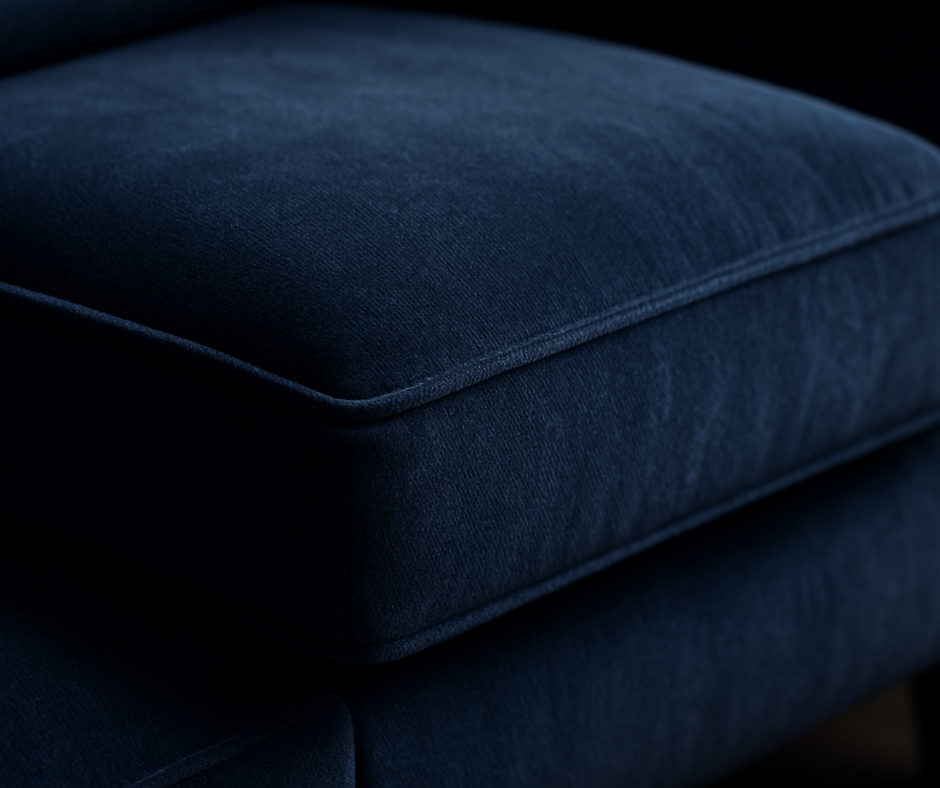
From soft velvet seating to sheer curtains that diffuse natural light, the chosen fabrics should align with the design concept while guaranteeing full compliance with safety standards.
Anti-microbial properties
Although anti-microbial finishes are primarily developed for healthcare and hygiene-critical environments, they can also offer advantages in hospitality applications. In hotels and restaurants, such treatments help preserve freshness, prevent odours, and reduce the accumulation of moisture or mildew on fabrics used in curtains or upholstery.
Rather than serving a clinical purpose, these finishes contribute to a clean, comfortable, and well-maintained atmosphere, supporting guest wellbeing and long-term fabric durability.
Stain resistance
Upholstery fabrics in hotels and restaurants must withstand intensive use and occasional spills. Stain-resistant finishes make cleaning easier and preserve the material’s appearance over time.
Dabedan applies the StainWall finish to its upholstery collections, creating a protective barrier that repels liquids and dirt without altering the fabric’s texture or colour. This treatment enhances durability, simplifies maintenance, and keeps furniture looking elegant and professional even in high-traffic hospitality spaces.
Acoustic insulation
Sound comfort contributes directly to guest satisfaction. Using acoustic flame-retardant fabrics on walls, ceilings, or curtains helps absorb echo and reduce noise levels, improving privacy and ambience in restaurants or hotel lobbies.
Blackout/dimout curtains
Light control is vital for guest comfort and energy efficiency. Blackout fabrics block 100% of light, while dimout fabrics reduce it by approximately 90–95%. Both are available in flame-retardant versions that comply with BS 5867 Type C and can be combined with sheers for flexible lighting design.
| Hotel / Restaurant area | Recommended fabric type | Applicable standard | Main benefit |
|---|---|---|---|
| Reception / Lobby | Fire-retardant velvets · Acoustic upholstery | BS 5852 · EN 1021 · EN 13501-1 | Welcoming elegance + noise reduction |
| Restaurant / Bar | StainWall® upholstery · Blackout / Dimout curtains | BS 5852 · BS 5867 Type C | Easy cleaning + enhanced comfort and ambience |
| Guest rooms | 100% blackout curtains · Flame-retardant sheers | BS 5867 Type C · EN 13773 Class 1 | Total darkness + privacy + comfort |
| Corridors and common areas | Textile wallcoverings · Dimouts | EN 13501-1 · BS 5867 | Improved safety during evacuation |
| Meeting rooms / Conference areas | Acoustic fabrics · Blackout curtains | EN ISO 11654 · BS 5867 Type C | Optimised acoustics and light control |
| Kitchen / Back-of-house | Fire-retardant partitions and blinds | EN 13501-1 | Fire spread prevention |
Dabedan’s flame-retardant fabrics suitable for hospitality
Dabedan develops and manufactures flame-retardant fabrics designed specifically for contract and hospitality environments. Each collection combines technical innovation with aesthetic versatility, ensuring compliance with international standards and long-lasting performance.
Acoustic fabrics
Our acoustic fabrics are tested for sound absorption (αw coefficient), improving acoustic comfort in restaurants, hotels, and conference rooms. They reduce echo and reverberation while providing an elegant decorative surface.
Black Out / Dim Out fabrics
Blackout and dimout fabrics by Dabedan ensure complete light control for guest rooms and conference spaces. Their fire-retardant composition offers total safety with excellent drape and soft touch, suitable for high-end hospitality interiors.
Velvet fabrics
Fire resistant velvet fabric is one of Dabedan’s signature materials. Produced in Barcelona, these fabrics combine luxurious texture with exceptional thermal and acoustic performance. Their dense pile structure enhances insulation and ensures compliance with EN 13773 and BS 5852 standards.
Sheer fabrics
Dabedan’s sheers bring lightness and sophistication to interior spaces. Despite their delicate appearance, they are fully flame-retardant and certified under EN 13773 Class 1. Ideal for public areas where both transparency and safety are required.
Energy efficient fabrics
Our energy-efficient textiles contribute to thermal regulation, maintaining comfort while reducing HVAC energy consumption. This feature is especially relevant for large hospitality buildings seeking to combine sustainability with fire safety.
Conclusion
Selecting the right flame-retardant fabrics for hotels and restaurants is a decision that impacts far more than design. It defines the level of safety, comfort, and trust guests associate with your brand.
By understanding fire risks, compliance requirements, and fabric performance, hospitality professionals can create interiors that are both beautiful and secure.
At Dabedan, we are committed to developing certified, sustainable, and aesthetically refined fireproof fabrics that support every stage of your design process. From curtains to upholstery and acoustic panels, each textile is crafted to meet the demands of modern hospitality environments.
Follow us:

Subscribe to our newsletter
Receive all communications in your email to stay up to date with our news, as well as news and advice about the sector.
Latest published articles


Do you need advice?
We collaborate with you to develop custom designs tailored to the needs of each project, creating the fabric according to aesthetic, quality, or usage requirements.
Get in touch with us, and we will advise you on our products, or request a free sample.
