How to inspect fabrics during a fire safety audit: practical checklist

Ensuring that fabrics installed in hospitality, commercial and public spaces comply with fire safety requirements is a core responsibility in any fire safety audit. Beyond documentation and certificates, auditors must verify the real condition of each textile, its installation and whether its performance still aligns with mandatory standards.
This practical guide explains how to inspect fabrics step by step during a fire safety audit, which documents to review, what tools to use on-site and how to identify common issues that compromise compliance.
Fire safety audit checklist: fabric-related requirements
When reviewing soft furnishings, curtains, upholstery and decorative textiles, auditors typically verify:
- The correct fire-resistant classification according to local regulations (e.g., EN 13501-1, EN 13773, NFPA 701 depending on the region).
- Whether the installed fabric corresponds to the approved material in the project documentation.
- The presence of valid fire safety certificates and traceability (batch, supplier, production date).
- Adequate installation practices ensuring the fabric performs as tested (distance to heat sources, correct hanging, appropriate lining).
- Evidence of physical degradation that may reduce fire resistance.
These checks help determine whether textiles continue to meet the expected ignition resistance, flame spread reduction and smoke development control.
| Audit element | What to check | Why it matters |
|---|---|---|
| Certification validity | Certificates match the installed fabric and test references are consistent and up to date | Confirms compliance with applicable fire regulations |
| Fabric identity | Composition, density (g/m²), colour, backing and structure match the technical data sheet | Prevents non-compliant substitutions and performance deviations |
| Physical condition | Tears, thinning, holes, brittleness, loss of drape or uneven tension | Degradation can reduce ignition resistance and fire performance |
| Contamination | Dust, grease, kitchen vapours, aerosols or construction residues on the surface | Contaminants can increase flame spread and smoke development |
| Installation | Correct hanging, safe distance from heat sources and tested layer combinations | Incorrect installation can alter real-world fire behaviour |
| Maintenance history | Cleaning cycles, products used, re-treatments and partial replacements | Some FR treatments may degrade over time if not maintained correctly |
Technical textile documentation to review before the inspection
Before entering the site, auditors gather and assess:
- Fire performance certificates (B-s1,d0, M1, Class 1, etc.) with test references.
- Technical data sheets, including composition, fabric density (g/m²), weave type and finishing.
- Maintenance records indicating cleaning cycles, re-treatments or fabric replacements.
- Installation plans where textiles are specified by zone and use.
- Supplier documentation confirming compliance with project requirements.
These documents establish a baseline to identify deviations during the on-site audit.
On-site conditions and preparation
Before inspecting fabrics physically, auditors should:
- Ensure safe access to all areas where textiles are installed.
- Confirm that lighting conditions allow proper visual assessment.
- Document environmental conditions such as humidity, sunlight exposure or proximity to heat sources, as these affect fabric ageing.
Tools and field tests used during fabric inspections
Auditors often use simple tools to evaluate compliance quickly:
- Flashlight for detecting defects and fibre thinning.
- Magnifying glass to assess weave integrity or surface deterioration.
- Thickness or density indicators to confirm the fabric corresponds to specifications.
- Portable residue detectors to identify contamination (oils, dust, chemicals) that may compromise fire resistance.
- Touch-based assessment, checking for stiffening, brittleness or abnormal texture changes.
Field tests never replace laboratory testing but provide a clear indication of whether the fabric still behaves as expected.
How to inspect fabrics step by step during a fire safety audit
Visual inspection and defect detection
Auditors begin by examining:
- Surface integrity: tears, thinning, holes or cuts.
- Colour degradation due to UV exposure, which may signal material weakening.
- Uneven tension or drape in curtains that may indicate damage or poor installation.
- Residues such as dust, grease, vapour deposits or cleaning chemicals.
Any visible deterioration may reduce ignition resistance and flame retardancy.
How to assess fabric density, composition, and layering
Fabric composition and density strongly influence fire behaviour. Auditors check:
- Whether the weight and structure match the manufacturer specifications.
- If multi-layer systems such as blackout + lining follow the tested combination.
- The presence of incorrect substitutions, such as replacing a certified blackout with a decorative non-FR fabric.
- Whether damaged linings or exposed backings compromise compliance.
This assessment is essential for curtains, wall coverings and upholstered panels.
Identifying flame-retardant treatments on-site
Treated fabrics (as opposed to inherently flame-retardant fibres) may lose performance due to:
- Intensive cleaning cycles.
- Incorrect detergents that strip the treatment.
- Environmental exposure, particularly humidity and UV.
Auditors examine texture, stiffness, odour and surface behaviour to detect potential treatment loss and determine whether reapplication is required.
Quick tests commonly used during fabric audits
While official fire testing must be laboratory-based, auditors sometimes apply non-destructive indicative tests, such as:
- Fibre identification through controlled abrasion.
- Drape and flexibility evaluation to detect ageing.
- Residue transfer checks to identify contaminants.
These tests help determine whether the fabric should undergo formal re-testing.
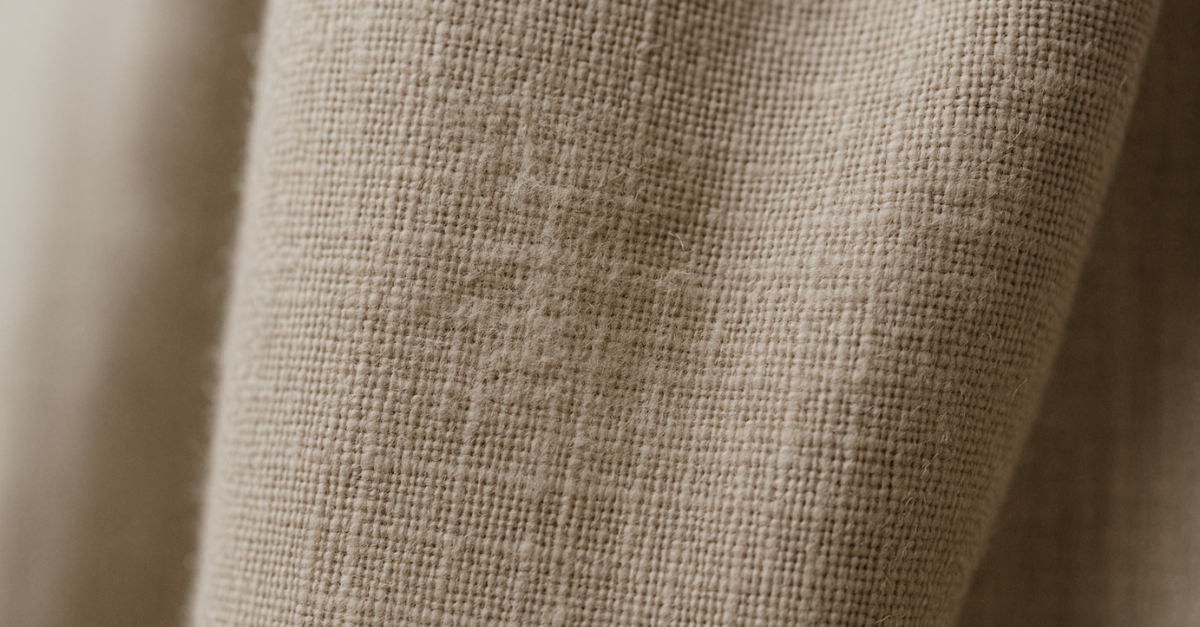
Common fabric issues found in fire safety audits
Aging, degradation, and environmental damage
Common signs include:
- Fading and brittleness caused by direct sunlight.
- Moisture exposure resulting in mildew or weakening.
- Heat exposure causing stiffening or partial melt.
These conditions may significantly reduce flame resistance.
Contamination and residues that reduce fire resistance
Grease, dust, kitchen vapours, aerosol residues or building works can coat fabrics, increasing flame spread and reducing ignition resistance. Curtains in restaurants, theatres and hotel common areas require special attention.
Incorrect installation or use of non-compliant fabrics
Frequent issues include:
- Decorative sheers installed where dimouts or blackouts are required.
- Upholstery replaced without checking fire classification.
- Curtains installed too close to heat sources.
- Missing linings or combinations that do not match certified test configurations.
| Issue | Typical causes | Early warning signs | Recommended action |
|---|---|---|---|
| Loss of flame-retardant treatment | Overwashing, harsh detergents, humidity exposure | Increased stiffness, odour changes, weakened drape | Reapply FR treatment as per manufacturer guidance or replace with inherently FR fabric |
| UV degradation | Prolonged sunlight exposure | Fading, brittleness, reduced strength | Replace fabric and consider UV protection measures |
| Surface contamination | Grease, dust, kitchen vapours, aerosols, construction residues | Darkened areas, sticky feel, visible residues | Controlled deep cleaning or replacement in critical zones |
| Incorrect fabric substitution | Budget changes, procurement or installation errors | Density, backing or appearance mismatch versus specification | Replace with certified equivalent fabric and document the change |
| Installation faults | Incorrect tension, proximity to heat sources, untested layer combinations | Uneven drape, excessive wrinkles, exposed lining or backing | Re-hang correctly, adjust distances and restore the tested configuration |
Corrective actions and follow-up after the fire safety audit
How to fix or replace fabrics that fail the audit
When a fabric does not meet compliance:
- Replace it with a certified fire-resistant textile equivalent to the original specification.
- Re-test materials if documentation is outdated or the fabric shows signs of wear.
- Correct installation issues immediately (re-hanging, adding lining, adjusting distances).
When to reapply flame-retardant treatments
If the fabric relies on chemical flame-retardant treatments:
- Reapply according to manufacturer guidelines.
- Document every treatment cycle for future audits.
- Consider replacing treated fabrics with inherently flame-retardant textiles for long-term performance.
How to ensure textile compliance in future audits
To maintain ongoing compliance:
- Establish a preventive maintenance plan.
- Keep updated certificates and technical sheets accessible.
- Train staff on proper cleaning and handling of fire-resistant textiles.
- Implement regular visual checks between official audits.
Dabedan: experts in fire-resistant fabrics
At Dabedan, we design and manufacture certified flame-retardant fabrics for professional environments where safety and aesthetics must work together. Our velvets, sheers, dimouts, blackouts, acoustic solutions and upholstery fabrics meet strict international regulations and undergo rigorous quality control to ensure long-term, reliable performance.
If you need support preparing for a fire safety audit or selecting the right fabric for your project, our technical team is here to assist.
Follow us:

Subscribe to our newsletter
Receive all communications in your email to stay up to date with our news, as well as news and advice about the sector.
Latest published articles


Do you need advice?
We collaborate with you to develop custom designs tailored to the needs of each project, creating the fabric according to aesthetic, quality, or usage requirements.
Get in touch with us, and we will advise you on our products, or request a free sample.
