The difference between silk and satin

Silk and satin are often confused, yet they are not the same. Knowing the difference helps you choose the right textile for comfort, appearance, performance and budget. This guide explains what silk is, what satin is, and how they compare in texture, care, durability, cost and typical applications. It also outlines how Dabedan supports specifiers with flame retardant fabrics for safe and beautiful public spaces.
What is silk?
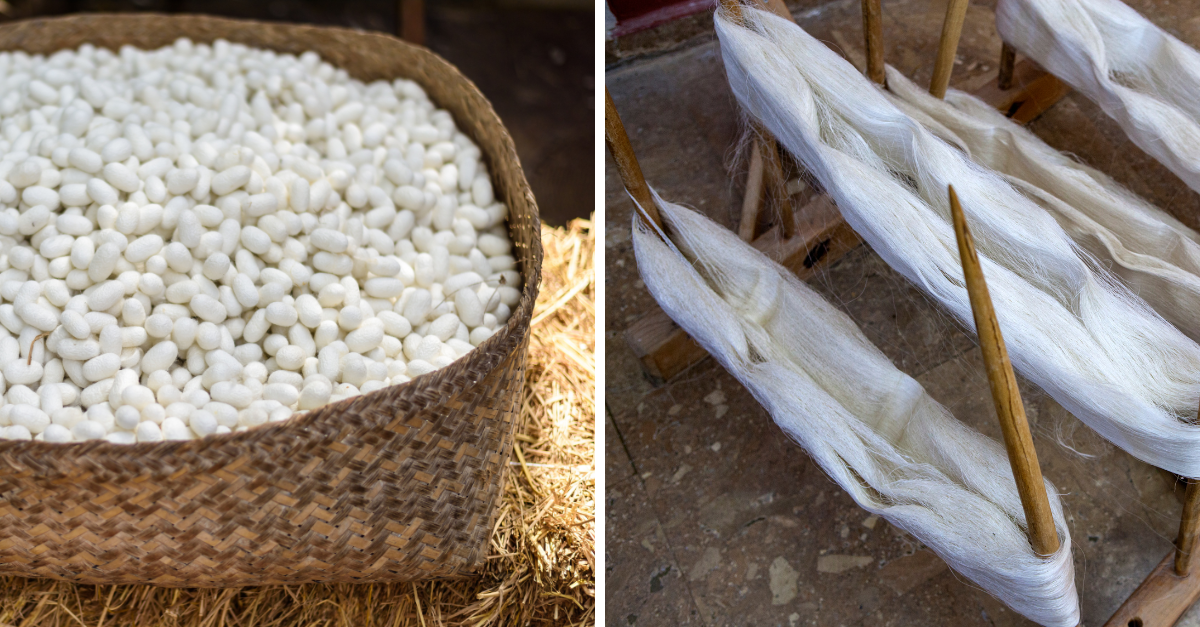
Silk is a natural fibre produced by silkworms. As a filament yarn, it forms smooth, continuous threads that are breathable and naturally thermoregulating. Pure silk drapes elegantly and shows a gentle lustre. Because silk is a fibre rather than a weave, it can be woven in multiple constructions, such as plain weave, twill or satin weave, each with a distinct hand feel. Many people with sensitive skin appreciate silk’s low friction. Items like silk pillowcases and scarves are valued for comfort and refined appearance.
Characteristics of silk fabric
- Handle and appearance: soft, fluid drape with a subtle, refined sheen.
- Breathability: excellent moisture management across seasons.
- Care: usually dry clean or gentle hand wash.
- Sustainability note: natural and biodegradable, with responsible sourcing recommended.
What is satin?
Satin refers to a weave structure, not a fibre. The satin weave floats yarns over several threads before interlacing, creating a smooth, glossy face and a comparatively dull back. Satin can be woven from silk, polyester, viscose or blends. As a result, satin varies in price, breathability and durability depending on the base fibre.
Characteristics of satin fabric
- Handle and appearance: high gloss on the face with a more structured drape.
- Breathability: fibre dependent, for example, polyester satin is less breathable than silk satin.
- Care: many synthetic satins are machine washable, silk satin needs delicate care.
- Versatility: widely used for occasionwear, linings, decorative cushions and drapery.
Key differences between satin and silk
Silk is a fibre. Satin is a weave. You can have silk satin, which combines the luxury of silk with the gloss of the satin weave.
Texture and appearance
Silk has a soft, pearly lustre and a natural hand. Satin shows a brighter, mirror-like shine due to the long floats of the weave. The back of satin is typically more matte.
Durability, care, and maintenance
Silk is strong for a natural fibre, but benefits from careful laundering and protection from strong sunlight. Polyester satin tends to resist creasing and may tolerate more frequent washing, which suits high turnover environments.
Cost and availability
Pure silk generally sits at a higher price point. Polyester or viscose satin provides a budget- friendly route to similar shine, and is often available in extensive colour cards for large scale projects.
Common uses in clothing, upholstery, and decorative projects
- Clothing: silk for premium blouses, lingerie and scarves. Satin for eveningwear, bridal, ties and linings.
- Interiors: silk for decorative cushions and light-use drapery. Synthetic satin for event décor, stage sets and feature accents where gloss is desired.
How to choose between silk and satin?
Ask three practical questions.
- What matters most, comfort or gloss?
Choose silk or silk satin for breathable comfort next to the skin. Choose synthetic satin when dramatic shine and crease resistance take priority. - Where will the fabric live?
In contract settings such as hotels, restaurants or auditoriums, maintenance, colourfastness and compliance are critical. Synthetic satins often deliver easier care and dimensional stability. - What are the budget and lead times?
Silk elevates a scheme with natural luxury. Satin gives strong visual impact while controlling cost across larger volumes and tight schedules.
Quick comparison: silk vs satin
| Aspect | Silk (fibre) | Satin (weave) |
|---|---|---|
| What it is | Natural filament fibre from silkworms | Weave structure with long floats; can be made from silk, polyester, viscose or blends |
| Handle | Soft, fluid, skin-friendly | Smooth glossy face with a slightly crisper drape |
| Appearance | Subtle, pearly lustre | High gloss on the face, matte back |
| Breathability | High, comfortable across seasons | Depends on fibre (polyester satin is less breathable; silk satin breathes well) |
| Care | Delicate. Often dry clean or gentle hand wash | Fibre-dependent. Many synthetics are machine-washable |
| Durability | Strong for a natural fibre but sensitive to UV and abrasion | Often crease-resistant and maintenance-friendly, especially in synthetics |
| Cost | Premium price point | More budget-friendly, wide colour availability |
| Key advantages | Natural comfort, elegant drape, refined look | Dramatic shine, crease resistance, cost control, broad colour range |
| Main limitations | Higher cost, delicate care, light sensitivity | Breathability and handle vary by fibre; can look less natural |
| Best uses | Luxury garments, scarves, decorative cushions, light drapery | Occasionwear, linings, event décor, feature accents, stage sets |
| Contract interiors note | Rarely suitable without specialist treatment | FR polyester satins offer practical care and consistent performance |
| Sustainability | Biodegradable natural fibre; sourcing matters | Varies by fibre; consider recyclability and FR requirements |

How Dabedan ensures quality and safety with our fire-resistant fabrics?
For public interiors, aesthetic appeal must work alongside safety and durability. Dabedan specialises in flame retardant textiles that meet stringent regulations in hospitality and public buildings. Our collections include FR sheers, dimouts, blackouts, velvets and upholstery fabrics that provide the look designers want with the performance operators need. You can achieve subtle lustre reminiscent of silk or a polished satin effect while meeting essential certifications, supporting stable dimensions and facilitating straightforward maintenance routines.
Our team helps you translate your brief into a precise fabric specification. Share your appearance targets, acoustic or blackout requirements, cleaning constraints and project budget. We will recommend an FR solution with the right composition, weave and certificate, suitable for guest rooms, corridors, lounges, restaurants and event spaces.
Follow us:

Subscribe to our newsletter
Receive all communications in your email to stay up to date with our news, as well as news and advice about the sector.
Latest published articles


Do you need advice?
We collaborate with you to develop custom designs tailored to the needs of each project, creating the fabric according to aesthetic, quality, or usage requirements.
Get in touch with us, and we will advise you on our products, or request a free sample.
